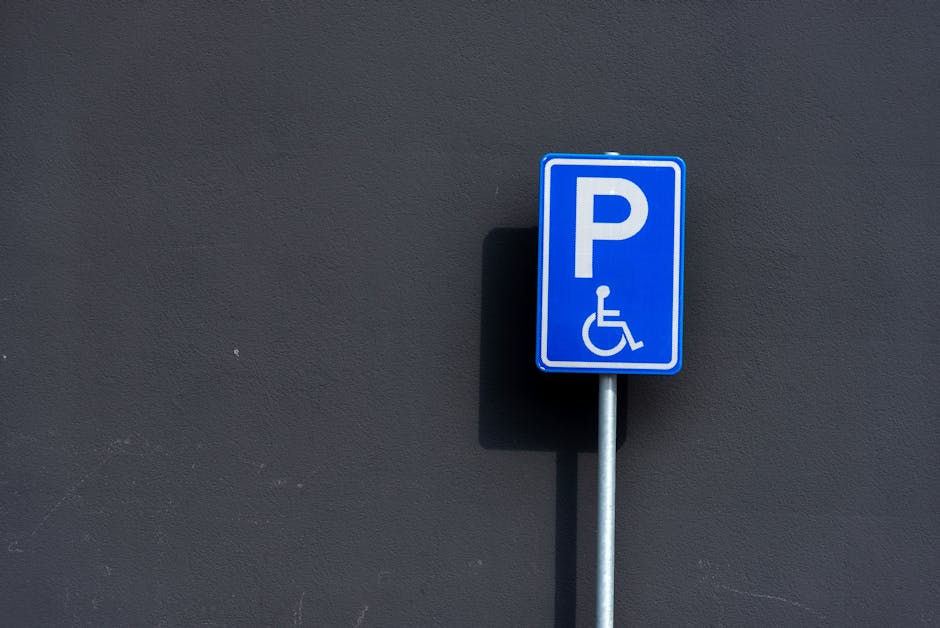
Lambeth council Parking Permits for Removals What to Know

If you are moving in Lambeth, parking is often the part that catches people out. The boxes are packed, the van is booked, and then the big question lands: do you need a parking permit for the removal vehicle, and how do you actually arrange it without last-minute panic? Lambeth council parking permits for removals are not glamorous, but they can make the difference between a calm moving day and a rushed, expensive scramble down a narrow street with nowhere legal to stop.
This guide explains what to know in plain English. We'll cover why permits matter, how the process usually works, who needs one, and the practical mistakes that cause delays. You'll also find a checklist, a comparison table, and some real-world moving advice drawn from the kind of tight London streets where one wrong parking decision can throw off the whole schedule. Truth be told, that little parking space can matter more than you think.
Why Lambeth council Parking Permits for Removals What to Know Matters
Moving in Lambeth means dealing with a mix of residential streets, controlled parking zones, bus routes, loading restrictions, and the occasional street that seems designed by someone who disliked vans. A removal vehicle needs a safe place to stop close to the property. If it cannot, everything becomes harder: longer carry distances, slower loading, extra labour time, and more chance of stress on the day.
A permit helps you use road space legally and predictably. That matters because parking enforcement in London is not something you want to "wing". If a van parks where it should not, the move can pick up penalties, delays, or complaints from neighbours. In a busy block or a narrow terrace street, one awkward stop can affect not just your move but everyone else's morning.
There is also a practical side that people underestimate. A good parking setup can protect bulky furniture, reduce lifting time, and keep the team focused. If you are arranging a full house removal in Lambeth, for example, having the van close enough to the entrance can be the difference between a tidy two-hour job and a slow, tiring one. No one enjoys carrying a wardrobe round the corner in the rain. Been there, regrettably.
For people moving into or out of flats, the stakes can be even higher. Limited access, shared entrances, and permit-controlled streets all stack up. If that sounds familiar, it is worth looking at flat removals in Lambeth as a service style that is built around these local constraints.
How Lambeth council Parking Permits for Removals What to Know Works
At a practical level, a removal parking permit is a way of reserving or authorising parking for your moving vehicle, usually in a location where normal parking rules would otherwise get in the way. The exact arrangement depends on the street, the zone, the kind of bay outside the property, and whether the council allows a permit for removals at that location.
In Lambeth, the key thing to understand is that not every street is the same. Some roads have controlled parking bays, some have single yellow lines, and some have tight loading restrictions at specific times. That means the permit process is not just about filling in a form. It is about matching the move to the street conditions and the time window you actually need.
In many cases, the council expects you to apply in advance. Do not leave it until the night before unless you genuinely have no choice. A same-day scramble is possible in some moving plans, but it is not something to rely on casually. If you are in that situation, you may want to read about same-day removals in Lambeth so you can understand the pressure points before you book.
Here is the simple version:
- Check the street and bay restrictions near both addresses, if applicable.
- Confirm whether the moving vehicle needs formal permission to stop or park.
- Apply with enough time for processing and any required notices.
- Make sure the permit covers the correct date, time, and vehicle details.
- Keep proof of approval accessible on moving day, even if you are not sure you will need to show it.
That may sound basic, but basics are what save moving days. Simple, not easy. There is a difference.
Key Benefits and Practical Advantages
The obvious benefit is legal parking. The less obvious ones are time, energy, and fewer moving-day headaches. Once you strip away the admin, a permit is really a coordination tool. It helps the vehicle get close to the property and keeps the whole removal flowing in a straight line.
Practical advantages include:
- Shorter carry distance: less time walking furniture and boxes up and down the pavement.
- Faster loading and unloading: the team can work more efficiently when the van is parked well.
- Lower risk of damage: fewer turns, fewer doorframes, fewer awkward manoeuvres through tight hallways.
- Less moving-day stress: no endless circling for parking while the clock ticks.
- Better neighbour relations: a sensible parking plan is always less irritating than a van blocking access for an hour.
There is also a budget angle. Parking problems can quietly inflate the cost of a removal if the crew has to spend more time carrying items from a distant legal space. If you want to understand how moving costs can creep up, this guide to avoiding hidden charges on Lambeth removals is a useful companion read.
For busy roads or awkward access, a permit can also help a small van or man-and-van setup work much more smoothly. If you are trying to keep the move compact and efficient, consider how man and van services in Lambeth usually fit around local parking constraints. The right setup often matters as much as the vehicle size itself.
Who This Is For and When It Makes Sense
Not every move needs the same level of parking planning. A ground-floor property on a wide road with unrestricted kerb space is a very different story from a fourth-floor flat near a busy junction. The permit issue becomes most important when the vehicle cannot simply stop outside for a while without breaking local rules or blocking traffic.
This topic usually matters most for:
- People moving from or into permit-controlled streets.
- Flat movers where the nearest legal parking is not right outside the entrance.
- Families moving larger loads with bulky furniture or appliances.
- Office moves where timing is tight and disruption needs to be kept low.
- Students and renters who may be moving on a deadline and not know the local rules well.
It also makes sense if your removal company is using a larger vehicle. Bigger vans need more space, and they are less forgiving if the street is busy or partially restricted. If the access looks tight, do not assume the driver can "just sort it out". London has a habit of punishing optimism.
People moving into Lambeth for the first time often underestimate how much local layout affects the job. If you are still deciding whether the area suits your lifestyle, it can help to read is Lambeth a good living choice and get a broader feel for the borough before moving day arrives.
Step-by-Step Guidance
Here is the cleanest way to handle parking permits for a Lambeth removal without making the process more complicated than it needs to be.
- Check both addresses early. Look at the pickup street and the delivery street. A permit may be needed on one side but not the other, and that difference matters.
- Review the parking signs carefully. Read the bay type, times, and any loading restrictions. If anything is unclear, assume it is not "fine" until you have checked properly.
- Estimate the moving window. Do not request a time slot that is too short. A full flat move often takes longer than people expect, especially when stairs, lifts, or tight hallways are involved.
- Match the permit to the vehicle. The vehicle registration or size details, if required, need to be accurate. A permit for the wrong van is not much help.
- Coordinate with your removal team. Give them all the location details early so they can plan the route and arrival time. If you are using removals in Lambeth, this planning usually makes the whole service smoother.
- Keep confirmation handy. Save the approval, reference number, or email on your phone and, if possible, print it too. That tiny bit of backup can be a lifesaver if a question comes up on the street.
- Recheck the day before. A permit can be right in principle but wrong in timing. One date error is enough to create a mess.
In our experience, the best moving days are the boring ones. Everything is confirmed, everyone knows where the van is going, and no one is trying to solve parking at the kerb while a sofa blocks the pavement. Boring is good. Very good.
Expert Tips for Better Results
Good moving preparation is partly logistics and partly common sense. The following tips are the kind that save real time, not just make a checklist look neat.
- Book the move with parking in mind. If your access is limited, do not choose a vehicle just because it seems economical. The cheapest vehicle is not always the smartest choice.
- Tell the removal team about narrow access. Flat stairs, shared entrances, awkward bends, and restricted bays all change the plan. That is especially true for Vauxhall flat removals and narrow access, where access planning can matter as much as the packing itself.
- Allow a buffer. Even a ten- or fifteen-minute delay can snowball if parking is tight. Roads in Lambeth can fill quickly, especially around peak hours.
- Protect the loading route. If the van is parked legally but far away, make sure the path from front door to van is safe and clear. Wet leaves, loose mats, or uneven paving can become annoying fast.
- Ask about vehicle choice. Sometimes a smaller van or a more agile setup is the better fit for the street. If you are comparing options, the details on removal van options in Lambeth can help you think through the practical side.
A small but useful habit: take a photo of the parking bay and the street sign once everything is arranged. It is not paperwork, exactly, but it can settle a dispute quickly if someone later questions where the van stopped. Old-school? Maybe. Effective? Absolutely.
Common Mistakes to Avoid
A lot of parking trouble comes from a few predictable errors. They are avoidable, which is the frustrating part.
- Leaving the permit too late. This is the classic one. People focus on packing, then remember parking when the van is almost booked.
- Checking only one address. You may need permission at both ends, not just the one you are leaving.
- Assuming loading is always allowed. Not every road lets you stop for a move just because the job is short.
- Using the wrong dates or times. The permit can be valid in theory and useless in practice if the move runs late.
- Ignoring resident or visitor bay rules. These look convenient, but they may still have restrictions that apply during the move.
- Forgetting the weather factor. Rain slows everything. So does wind, which is somehow worse when you are balancing a mattress and trying not to laugh at the whole situation.
Another common mistake is not reading the moving support information closely enough. If you want a broader overview of how moving services are structured and what is included, the services overview is a good place to check the bigger picture before you commit to a plan.
Tools, Resources and Recommendations
You do not need a fancy toolkit to get this right. What you need is a sensible information trail and a few practical habits.
Useful things to have ready:
- Your full moving addresses and postcodes.
- Vehicle registration details, if the permit process asks for them.
- Timing details for entry, loading, and unloading.
- Photos of the street, kerb, bay signs, and access points.
- Contact details for your removal team and building manager, if relevant.
- Confirmation of any special access arrangements for flats, estates, or office buildings.
If you are still deciding which support services you need, the pages on man with van services in Lambeth and removal services in Lambeth can help you compare the practical fit for a smaller or larger move. For some households, that is enough. For others, it is the difference between a smooth day and a muddle.
If you are moving boxes, it also helps to get organised early. The page on packing and boxes in Lambeth is relevant because efficient packing reduces the time the van needs to stay parked. Which, in turn, reduces parking pressure. Everything is connected a bit more than people think.
Law, Compliance, Standards, or Best Practice
Parking permits for removals sit inside a broader framework of road rules, controlled parking zones, and local enforcement. The exact requirements vary by street and by council process, so it is always safer to treat the permit as a formal compliance step rather than a casual convenience.
Best practice is straightforward:
- Do not park in a restricted area and hope it will be "fine for a few minutes".
- Do not assume that a van can use ordinary resident parking without authorisation.
- Do not depend on verbal advice alone if the street layout is unclear.
- Do not let permit details drift away from the actual moving schedule.
For landlords, tenants, businesses, and moving firms, the practical standard is the same: plan the access properly, make sure the stopping arrangement is lawful, and document what has been arranged. That is not overkill. It is just the sort of thing that keeps a move from turning messy.
If you are arranging a business relocation, the parking question can become even more important because timing often matters more and disruption needs to stay low. In those cases, office removals in Lambeth may need tighter parking coordination than a standard domestic move.
Options, Methods, or Comparison Table
There are a few ways people handle removal parking in Lambeth. The right choice depends on the street, the size of the move, and how much room you have to manoeuvre.
| Method | Best for | Pros | Trade-offs |
|---|---|---|---|
| Council parking permit | Controlled streets and formal parking restrictions | Clear authorisation, predictable access, lower risk of enforcement issues | Needs advance planning and accurate details |
| Loading only approach | Short moves with suitable kerb access | Can be efficient if the street allows it | Not suitable everywhere; easy to misunderstand restrictions |
| Legal parking space nearby | Properties with flexible access and a nearby vacant bay | Simple if available | May mean a longer carry distance |
| Smaller vehicle strategy | Narrow streets or tightly packed estates | More manoeuvrable, often easier to place safely | May require more trips |
There is no one-size-fits-all answer. A permit is often the safest option, but a well-chosen vehicle and a realistic moving window can sometimes be just as valuable. It depends on the street. Always does, really.
For people with larger items or specialist pieces, access planning becomes even more important. A service such as furniture removals in Lambeth or piano removals in Lambeth will usually need stronger parking coordination because awkward items are slower to carry and harder to turn through tight spaces.
Case Study or Real-World Example
Imagine a family moving from a two-bed flat near a busy Lambeth street. The building entrance is set back slightly, the road has limited stopping space, and there is a row of parked cars by mid-morning. On paper, it looks manageable. In real life, it is the sort of place where parking can unravel the whole day.
They book the removal van first, then check the street restrictions and realise a permit is needed for the bay near the entrance. Because they handled that early, the van arrives at a legal stopping point, the team keeps the carry distance short, and the furniture comes out in a steady rhythm. No drama. No frantic circling. No awkward apologising to a neighbour while balancing a lamp and a box of plates.
Now compare that with a less organised version. The van turns up, finds no space, parks too far away, and spends extra time shuttling items down the road. The move still gets done, but it is slower and more tiring. That is the real value of parking preparation. Not paperwork. Not admin for its own sake. Just less friction on the day.
In a borough like Lambeth, where streets can shift quickly from open to cramped, that planning really pays off. Especially if you are moving near lively areas or popular residential pockets that get busy early. If you are local to Brixton, for example, you may already know how quickly a road can fill up. The local context matters more than people expect.
Practical Checklist
Use this before your move. It is simple, but it works.
- Confirm whether your pickup street needs a permit or special stopping permission.
- Check the delivery address as well, not just the first one.
- Read the bay and road signs carefully.
- Allow enough time for packing, loading, travel, and unloading.
- Share access details with your removals team early.
- Save proof of any parking arrangement on your phone.
- Print a backup copy if that feels sensible.
- Ask about vehicle size if access is tight.
- Keep hallways, entrances, and kerb routes clear.
- Have a plan for rain, delays, or a small schedule shift.
Expert summary: the best Lambeth parking plan is the one that keeps the move legal, close to the property, and realistic for the actual street you are using. That means checking early, confirming details twice, and building in a little breathing room. A calm move is rarely the result of luck. It is usually the result of decent planning and one or two sensible decisions made at the right time.
If you want help choosing the right moving setup for your property, it can be worth speaking with a local team that understands Lambeth streets, access issues, and parking pressure before the day comes round.
Get a free quote today and see how much you can save.
Conclusion
Lambeth council parking permits for removals are not just admin. They shape the whole moving experience. Get them right and you reduce stress, shorten loading times, and protect your schedule. Get them wrong and even a well-organised move can start to wobble.
The safest approach is simple: check the street rules early, allow enough time, keep the permit details accurate, and make sure your removal team knows exactly what they are walking into. That way, the van stops where it should, the boxes move efficiently, and you can focus on the actual change ahead of you, not the kerb outside.
Moving is enough of a life event already. The parking should not be the part that ruins your morning. One calm step at a time, and you will be fine.
Frequently Asked Questions
Do I need a parking permit for removals in Lambeth?
Often, yes, if the van needs to park in a controlled or restricted area. It depends on the street, the bay type, and the time of day. Always check both the pickup and delivery locations before you assume anything.
How far in advance should I arrange a removals parking permit?
As early as possible. A few days can be fine in some cases, but earlier is better because it gives you room to correct details if something changes. Last-minute requests are much more stressful than they need to be.
Can a removals van stop on yellow lines if I am loading?
Not automatically. Loading and parking rules are not the same, and restrictions can vary by street and by time. Never assume a quick stop is allowed just because you are moving house.
What details are usually needed for a parking permit?
You may need the moving address, date, times, vehicle details, and sometimes the registration number. The exact information depends on the permit process being used, so check carefully before applying.
Do I need a permit at both addresses?
Sometimes yes. It depends on whether parking restrictions apply at the pickup point, the delivery point, or both. This is one of the easiest things to miss, so it is worth checking twice.
What happens if I get the parking permit wrong?
You may face delays, enforcement problems, or a longer carry distance if the van cannot stop close to the property. In practical terms, that can make the move slower and more expensive.
Is a smaller van better for Lambeth streets?
Not always, but it can be a smart choice where access is tight. Smaller vehicles are easier to position, though they may require more trips. The right answer depends on your load and the street layout.
Can a removals company sort the parking for me?
Many teams help with this side of the move, but you should still share accurate information and check what is included. Parking support is useful, yet it still depends on the details being correct.
Do student moves in Lambeth need parking planning too?
Yes, especially in flat conversions, shared houses, or streets with limited space. Even small moves can stall if the van cannot stop nearby. Student moves are lighter, but parking still matters.
How do I know if my street is likely to be difficult?
If it is narrow, busy, close to a station, or full of controlled parking bays, assume it may need extra planning. If you can see that vans rarely stop there easily, that is usually a decent clue.
What is the biggest mistake people make with removal parking?
Leaving it too late. Most problems come from rushed planning, not from the permit concept itself. A few careful checks early on usually solve more problems than people expect.
Should I keep proof of the permit on moving day?
Yes. Save it on your phone and, if possible, print a copy too. If someone questions the stop or the timing, having the approval close at hand can save a lot of back-and-forth.